A tired-looking kitchen does not always need a complete renovation. Sometimes, refreshing the cabinets can make the entire room feel brighter, cleaner, and more inviting. Cabinet refinishing lets homeowners transform existing cabinetry while keeping the original structure and layout. With the right color, finish, hardware, and preparation techniques, outdated cabinets can take on an entirely new appearance. Exploring different San Jose Cabinet Refinishing ideas can help homeowners find a style that fits their space, personality, and everyday needs.
What Is Cabinet Refinishing?
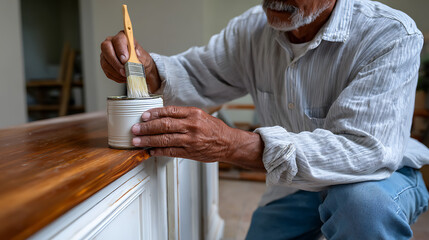
Cabinet refinishing is the process of improving the appearance of existing cabinets by preparing their surfaces and applying a new finish. Depending on the material and condition of the cabinets, refinishing may involve sanding, staining, painting, glazing, or applying a protective coating. The main cabinet boxes can remain in place while the visible surfaces receive an updated appearance. This makes refinishing different from replacing the entire cabinet system.
The condition of the cabinets is an important factor when deciding whether refinishing is appropriate. Cabinets with solid construction, functional doors, and relatively stable surfaces are often good candidates for refinishing. Minor scratches, dents, and worn finishes can usually be addressed during preparation. However, cabinets with severe structural damage or extensive moisture deterioration may require more extensive work. Evaluating the existing cabinetry before starting can help homeowners choose the most suitable approach.
Refresh Cabinets With a New Paint Color
Painting is one of the most popular cabinet refinishing ideas because it offers almost unlimited color possibilities. Light shades such as white, cream, beige, and soft gray can make a kitchen feel brighter and more open. Darker colors such as charcoal, deep blue, or rich green can create contrast and add a dramatic appearance. Muted colors can also introduce personality while maintaining a sophisticated look.
The surrounding room should be considered before choosing a new cabinet color. Countertops, walls, flooring, appliances, lighting, and decorative elements can all influence how a cabinet color appears. A shade that looks attractive in a sample may look different when exposed to natural and artificial lighting. Testing a small area before committing to the entire cabinet system can help homeowners make a more informed decision. Choosing a color that complements the existing features can create a more cohesive result.
Highlight Natural Wood With Stain
Staining is another cabinet refinishing option that works particularly well when homeowners want to preserve the natural character of wood. Instead of covering the grain completely, a stain can enhance the existing texture and change the depth or tone of the wood. Lighter stains can create a warm and subtle appearance, while darker stains can produce a richer and more dramatic effect. The final appearance depends on the type of wood, existing finish, preparation, and stain selected.
Proper preparation is especially important when staining cabinets. The existing finish may need to be removed or carefully prepared so the stain can produce an even appearance. Scratches, dents, and uneven areas may also become more noticeable after staining, so these imperfections should be addressed beforehand. When properly prepared, stained cabinets can highlight the natural beauty of wood while giving the entire room a refreshed appearance.
Try a Two-Tone Cabinet Design
Two-tone cabinetry can create visual interest without requiring major structural changes. This design approach uses two complementary colors or finishes on different sections of the cabinetry. Homeowners may choose a lighter shade for upper cabinets and a darker shade for lower cabinets. Another option is to give a central island or selected cabinet section a contrasting color while keeping the remaining cabinets consistent.
Choosing complementary colors is important for creating a balanced appearance. Strongly contrasting shades can produce a bold and modern effect, while similar tones can create a softer transition. The chosen colors should also coordinate with countertops, backsplashes, flooring, walls, and other features. Considering the room as a whole can help ensure that the two-tone design feels intentional rather than disconnected.
Create a Distressed Cabinet Finish
A distressed finish can give cabinets an aged, rustic, or vintage-inspired appearance. This technique can involve lightly sanding selected edges and areas to create the impression of natural wear. Glazing or additional finishing techniques can also be used to emphasize recessed sections, corners, and decorative details. The result can add warmth and character to cabinetry that otherwise looks plain or outdated.
The key to creating an attractive distressed finish is moderation. Excessive distressing can make cabinets appear artificially damaged rather than naturally aged. A controlled approach can create subtle variations that complement the overall style of the room. This option may work particularly well with traditional cabinet designs, decorative doors, and warm interior colors.
Choose a Modern Smooth Finish
Homeowners who prefer contemporary designs may want to create a smooth and simple cabinet finish. Clean lines, minimal details, and neutral colors can give existing cabinetry a more modern appearance. Flat-panel doors can work especially well with this approach because their simple surfaces allow the color and finish to become the main visual elements.
A smooth finish requires careful surface preparation. Scratches, dents, uneven areas, and old coating problems can become more visible after painting, especially with certain levels of sheen. Cleaning, sanding, repairing, and priming can help create a more suitable surface. Applying several thin and consistent coats can also produce a cleaner appearance than applying a single heavy layer. Patience throughout the process is essential for achieving a polished result.
Add Glaze for More Depth
Glazing can be used to add dimension and character to refinished cabinets. A glaze is generally applied over a base finish and worked into grooves, recessed areas, and decorative profiles. This technique can emphasize the architectural details of cabinet doors and create subtle variations in color. It can be particularly effective for homeowners who want cabinetry with a traditional or handcrafted appearance.
The amount of contrast can be adjusted depending on the desired style. A subtle glaze can provide gentle depth without dramatically changing the base color. A darker glaze can create stronger contrast around edges and recessed areas. Consistent application is important because uneven glazing can create an unwanted patchy appearance. When carefully applied, glazing can make simple cabinets look more detailed and visually interesting.
Update Cabinet Hardware
New hardware can complement a cabinet refinishing project and provide an additional style update. Knobs, handles, and pulls are available in many shapes, sizes, and finishes, making it possible to change the overall character of the cabinets without modifying their structure. Modern hardware can make older cabinetry feel more contemporary, while traditional designs can reinforce a classic appearance.
The size and placement of hardware should match the proportions of the cabinets. Large drawers may look better with longer pulls, while smaller doors may benefit from smaller knobs or handles. Consistency is also important because mismatched hardware can make the finished cabinetry appear disorganized. Selecting hardware that coordinates with other fixtures and finishes in the room can help create a more unified design.
Consider a Two-Finish Approach
Combining different finishes can create a customized appearance without changing the cabinet layout. For example, painted cabinet doors can be paired with natural wood accents, or a painted base can be combined with a contrasting finish on selected sections. This approach can add texture and visual variety to the room while maintaining a consistent overall design.
A two-finish approach should be planned carefully to avoid creating too many competing elements. The finishes should share a common color relationship or design theme. Natural wood can provide warmth against painted surfaces, while a contrasting painted section can become a focal point. Thoughtful combinations can make refinished cabinetry look more intentional and personalized.
Improve the Cabinets With Interior Updates
Cabinet refinishing does not have to focus only on exterior appearance. Homeowners can also improve the functionality of their cabinets while the refinishing project is underway. Adjustable shelves, drawer organizers, pull-out storage, and other interior improvements can make existing cabinetry easier to use. These changes can be especially helpful when the current storage arrangement creates clutter or makes certain items difficult to reach.
Combining appearance and functionality can make the project more valuable. A cabinet may look beautiful after refinishing, but better organization can make it more useful every day. Homeowners can identify areas where storage is inefficient and make targeted improvements. These upgrades can complement the refreshed exterior while helping the cabinetry meet practical needs.
Protect the Refinished Surface
A quality protective finish can help refinished cabinets withstand everyday use. Kitchen and bathroom cabinets are exposed to fingerprints, moisture, cleaning products, heat, and repeated handling. Choosing a suitable protective coating can help reduce premature wear and maintain the appearance of the refinished surface. The right product depends on the type of finish, material, and level of use.
Proper maintenance is also important after refinishing. Cabinets should generally be cleaned using methods appropriate for their specific finish. Harsh chemicals, abrasive materials, and excessive moisture can damage certain coatings. Regular gentle cleaning can help prevent buildup and keep the surfaces looking fresh. Taking care of the finish after the project can help extend its useful appearance.
Final Thoughts
Cabinet refinishing provides homeowners with many creative ways to transform existing cabinetry without completely replacing it. Painting, staining, glazing, distressing, two-tone designs, new hardware, and combined finishes can all produce distinctive results. The best choice depends on the condition of the cabinets, the desired style, the surrounding room, and the amount of maintenance the homeowner is willing to perform. Proper preparation remains one of the most important parts of any refinishing project because it creates the foundation for a durable and attractive finish. With careful planning and the right refinishing approach, older cabinets can gain a fresh appearance while continuing to provide practical storage for years to come.