Utah Water Damage prevention and mitigation are two of the most important aspects of protecting any property from costly repairs, structural deterioration, and potential health hazards. While water is essential for everyday living, it can quickly become destructive when it enters areas where it does not belong. Whether the cause is a leaking roof, burst plumbing, overflowing appliances, severe weather, or poor drainage, excess moisture has the potential to damage walls, flooring, insulation, electrical systems, and valuable personal belongings. The financial impact of water damage can be overwhelming, but many problems can be avoided with proactive maintenance and a clear understanding of how to respond when water intrusion occurs.
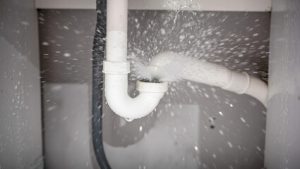
Preventing water damage is always more affordable than repairing it after the fact. Even when prevention cannot eliminate the risk, proper mitigation techniques can significantly reduce the severity of damage and speed up the recovery process. Property owners who take time to inspect vulnerable areas, maintain their plumbing systems, and prepare for unexpected emergencies often experience fewer disruptions and lower restoration costs. Learning how water damage develops and understanding the best practices for prevention and mitigation can make a significant difference in preserving the safety, comfort, and value of any home or commercial property.
Understanding How Water Damage Happens
Water damage can occur gradually over months or appear suddenly within minutes. Slow leaks often go unnoticed behind walls, beneath flooring, or inside ceilings until mold growth or structural deterioration becomes visible. On the other hand, sudden incidents such as burst pipes or overflowing washing machines can flood large portions of a building in a very short period of time.
The extent of water damage depends on several factors, including the amount of water involved, how long it remains untreated, the materials affected, and environmental conditions such as humidity and temperature. Porous materials like drywall, insulation, carpeting, and wood absorb water quickly, allowing moisture to spread beyond the visible area. If left untreated, water may weaken structural components, create unpleasant odors, damage electrical systems, and encourage mold growth within as little as 24 to 48 hours.
Understanding these risks helps property owners recognize why early intervention is essential whenever water intrusion is discovered.
Common Sources of Water Damage
Many water damage incidents originate from problems that develop slowly over time before becoming major emergencies. Routine inspections can identify these issues before they become expensive repairs.
Some of the most common sources include:
- Plumbing leaks caused by aging pipes, loose fittings, or corrosion.
- Roof damage resulting from missing shingles, deteriorated flashing, or clogged gutters.
- Overflowing sinks, bathtubs, and toilets due to blockages or plumbing failures.
- Appliance malfunctions involving water heaters, dishwashers, refrigerators, and washing machines.
- Foundation cracks that allow groundwater to enter basements or crawl spaces.
- Poor exterior drainage that directs water toward the building instead of away from it.
Each of these issues presents unique challenges, but they all share one common solution: regular maintenance combined with prompt repairs whenever warning signs appear.
The Importance of Preventive Maintenance
Routine maintenance is one of the most effective ways to reduce the likelihood of water damage. Many property owners focus on cosmetic improvements while overlooking critical systems that quietly protect their buildings from moisture intrusion. Investing time in preventative care not only extends the lifespan of major building components but also reduces the likelihood of unexpected emergencies.
Roof inspections should be performed regularly to identify damaged materials, deteriorated seals around vents, and areas where water could penetrate during heavy rainfall. Gutters and downspouts should remain free of leaves, dirt, and debris so water flows away from the structure efficiently. Plumbing fixtures should also be inspected for leaks beneath sinks, around toilets, and near water-using appliances.
Small maintenance tasks often prevent much larger repair bills later, making them one of the smartest investments any property owner can make.
Protecting Plumbing Systems
Plumbing failures remain one of the leading causes of indoor water damage. Pipes naturally age over time, and changes in water pressure, corrosion, shifting foundations, or freezing temperatures can eventually cause leaks or ruptures.
Homeowners can reduce plumbing-related risks by periodically checking exposed pipes for corrosion, moisture, or discoloration. Water supply hoses connected to appliances should also be inspected for wear and replaced before they fail. Knowing the location of the main water shut-off valve is equally important because turning off the water supply immediately after discovering a leak can dramatically reduce damage.
Scheduling regular plumbing inspections allows professionals to detect hidden issues before they become emergencies, helping property owners avoid costly repairs and unnecessary disruptions.
Improving Drainage Around the Property
Exterior drainage plays a critical role in water damage prevention. Rainwater should always move away from the structure instead of pooling around the foundation. Poor grading, blocked drainage systems, or improperly positioned downspouts can increase the risk of foundation leaks and basement flooding.
Maintaining proper drainage involves keeping gutters clean, extending downspouts away from the building, and ensuring landscaping slopes gently away from the foundation. Drainage systems should also be inspected after heavy storms to confirm they are functioning correctly.
Even small improvements in exterior drainage can significantly reduce the amount of moisture reaching the foundation and lower the risk of long-term structural damage.
Recognizing Early Warning Signs
Water damage often provides subtle warning signs before becoming a serious problem. Identifying these indicators early allows property owners to address issues before repairs become extensive.
Watch for signs such as:
- Water stains appearing on ceilings or walls.
- Peeling paint or bubbling wallpaper.
- Soft or warped flooring.
- Persistent musty odors.
- Visible mold growth.
- Unexpected increases in water bills.
- Dripping sounds inside walls or ceilings.
- Cracks around windows, doors, or foundations.
Ignoring these warning signs can allow moisture to spread into hidden spaces where repairs become more complicated and expensive.
What to Do Immediately After Water Damage Occurs
Despite the best preventive efforts, accidents can still happen. Responding quickly is the most important factor in minimizing damage and improving restoration outcomes.
The priority should always be safety. If electrical systems may have been affected, power should be disconnected before entering flooded areas. Once it is safe, the water source should be identified and stopped if possible.
Standing water should be removed promptly using appropriate equipment, while wet furniture, rugs, and personal belongings should be relocated to dry areas whenever practical. Increasing air circulation with fans and dehumidifiers helps accelerate drying, although professional equipment may be necessary for significant water intrusion.
The faster moisture is removed, the lower the risk of structural damage and mold growth.
Why Fast Drying Matters
Many people assume that visible water is the primary concern following a leak or flood. In reality, hidden moisture trapped inside walls, flooring, insulation, and framing materials often causes the greatest long-term problems.
Even after surfaces appear dry, moisture can remain deep within building materials. Specialized drying equipment and moisture detection tools help ensure hidden dampness is eliminated before repairs begin.
Proper drying reduces the likelihood of mold growth, prevents wood from warping, protects insulation from deterioration, and helps preserve structural integrity throughout the building.
The Role of Mold Prevention
Mold is one of the most common secondary problems associated with water damage. It thrives in damp environments where moisture remains for extended periods. Once mold begins growing, it can spread rapidly through walls, ceilings, flooring, and ventilation systems.
Preventing mold starts with immediate water removal and thorough drying. Materials that cannot be effectively dried may require replacement to eliminate hidden moisture. Maintaining proper indoor humidity after restoration also helps discourage future mold growth.
Early intervention remains the most effective strategy for minimizing mold-related complications and preserving indoor air quality.
Long-Term Water Damage Mitigation Strategies
Successful water damage mitigation extends beyond emergency response. Property owners should adopt long-term strategies that continuously reduce the risk of future incidents while improving the resilience of their buildings.
Effective mitigation measures include:
- Performing seasonal roof inspections.
- Cleaning gutters several times each year.
- Monitoring indoor humidity levels.
- Inspecting plumbing connections regularly.
- Sealing foundation cracks promptly.
- Replacing aging water supply hoses.
- Installing water leak detection devices where appropriate.
- Scheduling routine maintenance for water-using appliances.
These ongoing practices create multiple layers of protection that work together to minimize future water damage risks.
Protecting Valuable Belongings
Water damage affects more than just the structure itself. Furniture, electronics, important documents, family photographs, artwork, and sentimental possessions are often irreplaceable once exposed to excessive moisture.
Storing valuable items above floor level, using waterproof containers for important records, and maintaining organized storage areas can significantly reduce losses during unexpected flooding or plumbing failures. Businesses should also implement backup procedures for important records and digital information to protect critical operations.
Preparing valuable belongings before disaster strikes often makes recovery significantly easier.
The Benefits of Professional Water Damage Mitigation
While small leaks may sometimes be addressed independently, larger water damage incidents often require specialized expertise. Professional mitigation teams use advanced moisture detection equipment, industrial drying systems, and restoration techniques designed to remove water completely while preventing additional damage.
Professional assessments can also identify hidden moisture that may not be visible during a standard inspection. This thorough approach helps reduce future repair costs while ensuring restoration efforts address both visible and concealed damage.
Working with experienced professionals following significant water intrusion often leads to faster recovery, improved structural protection, and greater peace of mind.
Water damage prevention and mitigation are ongoing responsibilities that protect both residential and commercial properties from avoidable destruction. Routine inspections, timely maintenance, effective drainage, plumbing care, and rapid emergency response all contribute to minimizing the impact of water intrusion. Although no property can be completely immune to unexpected leaks or flooding, proactive planning dramatically reduces the likelihood of severe structural damage and costly repairs.
By recognizing early warning signs, addressing maintenance issues before they escalate, and responding quickly whenever water damage occurs, property owners can preserve the integrity of their buildings while protecting the health and safety of everyone inside. A well-maintained property combined with a thoughtful water damage mitigation strategy provides long-term protection, greater resilience, and confidence that future water-related challenges can be managed efficiently and effectively.